Europe Automotive Fuel Tank Market

Europe Automotive Fuel Tank Market Size, Share and Sales Forecast to 2033

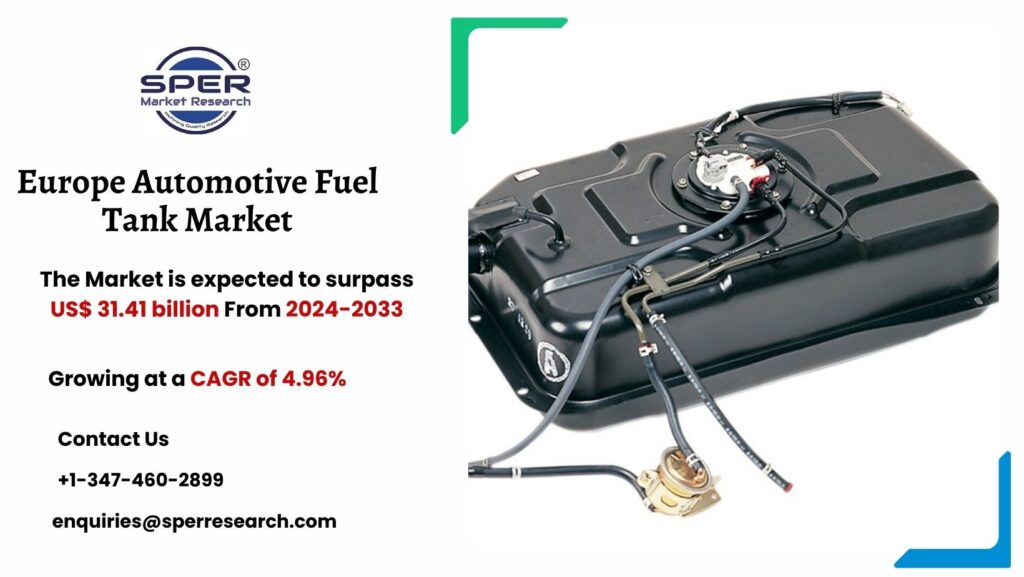
An automotive fuel tank is a critical component of a vehicle that stores fuel safely and supplies it to the engine when needed. It’s designed to withstand pressure, prevent leaks, and keep the gasoline system running smoothly. Fuel tanks in automobiles are built of steel, aluminium, or high-strength polymers, which provide durability, corrosion resistance, and reduced weight for improved performance. Modern designs also include safety features like vapour recovery systems and impact resistance to suit environmental and safety regulations. using a rising emphasis on efficiency and sustainability, gasoline tanks are being created using sophisticated materials and novel designs to support the growth of next-generation cars in the automobile industry.

According to SPER market research, ‘Europe Automotive Fuel Tank Market Size- By Material Types, By Capacities, By Vehicle Types, By Distribution Channels- Regional outlook, Competitive Strategies and Segment Forecast to 2033’ states that the Europe Automotive Fuel Tank Market is estimated to reach USD 31.41 billion by 2033 with a CAGR of 4.96%.

DRIVERS

Several reasons contribute to the continued growth of the vehicle fuel tank industry. Rising demand for fuel-efficient automobiles, aided by increased consumer awareness and government legislation aimed at lowering emissions, is a major driver. Expanding vehicle manufacturing, particularly in emerging countries, is driving up the demand for innovative and safe fuel storage systems. Technological advancements, such as the use of lightweight materials and new designs, improve product performance, safety, and efficiency. Furthermore, the increased usage of hybrid and alternative fuel cars is altering market requirements, with manufacturers focusing on building gasoline tanks compatible with new energy sources. Together, these variables create a dynamic environment that significantly drives the growth of the automobile fuel tank market.

Request a Free Sample Report: https://www.sperresearch.com/report-store/europe-automotive-fuel-tank-market.aspx?sample=1

RESTRAIN

The European automobile fuel tank industry is under pressure due to the growing adoption of electric vehicles, which are lowering reliance on traditional fuel-based systems. Unlike combustion vehicles, electric vehicles require less maintenance since their motors have fewer moving parts and are fuelled by sealed lithium-ion batteries that require little care. Furthermore, growing environmental worries about emissions from fuel-powered vehicles are pushing both consumers and manufacturers to pursue sustainable alternatives. Leading automakers are investing heavily in the development of zero-emission and high-performance electric vehicles, thereby reducing the requirement for traditional fuel tanks. Strict government rules to reduce fuel pollution and encourage environmentally friendly mobility options are also hastening the change, limiting industry growth.

For More Information, refer to below link: –

Europe Automotive Fuel Tank Market Share

Western Europe is dominating the Europe automotive fuel tank industry due to its well-established automotive sector, high production of vehicles, and strong emphasis on advanced fuel tank technologies. The presence of leading automobile manufacturers and continuous innovation further supports the region’s leadership. Some of its key players are Continental, Kautex Textron, Lyondell Basell, Magna International, Martinrea International Inc., Plastic Omnium, TI Automotive, Unipres Corporation, Yachiyo Industries Co. Limited, and Yapp Automotive.

Related Reports:

Europe Automotive Garage Equipment Market Growth

Europe Automotive Cybersecurity Market Size

Follow Us –

LinkedIn | Instagram | Facebook | Twitter

Contact Us: 

Sara Lopes, Business Consultant — USA 

SPER Market Research 

enquiries@sperresearch.com 

+1–347–460–2899

Europe Automotive Fuel Tank Market

Europe Automotive Fuel Tank Market Growth 2024, Rising Trends, Demand, CAGR Status, Challenges, Future Opportunities and Forecast till 2033: SPER Market Research

An automotive fuel tank is a crucial component of a vehicle’s fuel system, designed to securely store and manage the fuel required for combustion or energy generation. Traditionally made of metal or plastic, fuel tanks are typically positioned in a designated area, often at the vehicle’s rear. However, recent advancements have driven substantial innovation in fuel tank technology, prompted by evolving automotive demands and environmental concerns. The shift towards electric vehicles (EVs) and hybrid systems is also influencing fuel tank designs, leading to the development of specialized tanks for alternative fuels like hydrogen and biofuels. The industry’s focus on sustainability is spurring the adoption of eco-friendly materials and designs, aligning with broader environmental goals and regulatory requirements. This evolution in fuel tank technology reflects the automotive sector’s larger shift toward more efficient and sustainable energy solutions.

According to SPER Market Research, the Europe Automotive Fuel Tank Market Size – By Material Types, By Capacities, By Vehicle Types, By Distribution Channels – Regional Outlook, Competitive Strategies, and Segment Forecast to 2033 report states that the Europe Automotive Fuel Tank Market is projected to reach USD 31.41 billion by 2033, growing at a CAGR of 4.96%.

Drivers

The growth in hybrid and alternative fuel vehicles, such as those using ethanol or biodiesel, has driven demand for specialized fuel tanks that accommodate these fuel types effectively. Manufacturers are increasingly investing in eco-friendly materials and production processes, aligning with environmental objectives and reducing the carbon footprint of fuel tank manufacturing. Advances in fuel storage technologies, including high-pressure tanks and advanced coatings, enhance the performance and safety of fuel tanks, supporting the development of more efficient and reliable systems. The recovery of the European automotive market post-pandemic has also spurred vehicle production and sales, subsequently boosting demand for fuel tanks. Market expansion across new regions within Europe further supports fuel tank sales and drives innovation.

Restraints

Growing consumer preference for vehicles powered by alternative fuels, like biofuels and hydrogen, presents a challenge for fuel tank manufacturers to diversify their product offerings. Meeting the performance and safety requirements for these new fuel types while maintaining quality can be complex. Additionally, significant R&D investments are necessary to develop new fuel tank technologies and materials, which require manufacturers to balance cost-effectiveness with innovation. Economic volatility and market uncertainties also impact the automotive sector, affecting fuel tank production and sales. Adapting to fluctuating market conditions and evolving safety regulations is crucial, especially as it relates to potential risks such as leakage, explosion, or fire hazards associated with new fuel types.

Request a Free Sample Report: https://www.sperresearch.com/report-store/europe-automotive-fuel-tank-market.aspx?sample=1

The COVID-19 pandemic accelerated interest in alternative transportation options, including electric vehicles, affecting demand for traditional fuel tanks. Fuel tank manufacturers faced financial pressures due to decreased sales and rising operational costs, and some research and development efforts were delayed as resources were redirected to address immediate pandemic-related challenges. Additionally, regulatory changes and government policies aimed at economic recovery further influenced market dynamics and compliance requirements, creating volatility in the automotive fuel tank market and impacting long-term strategic planning for industry players.

Germany leads the Europe Automotive Fuel Tank Market, thanks to its status as a hub for major global automotive manufacturers and its high vehicle production volume. Key players in the market include Continental, Kautex Textron, LyondellBasell, Magna International, and Martinrea International Inc.

Europe Automotive Fuel Tank Market Segmentation:

By Material Types: Based on the Material Types, Europe Automotive Fuel Tank Market is segmented as; Plastic, Aluminium, Steel.

By Capacities: Based on the Capacities, Europe Automotive Fuel Tank Market is segmented as; Less Than 45 Liter, 45 – 70 Liter, above 70 Liter.

By Vehicle Types: Based on the Vehicle Types, Europe Automotive Fuel Tank Market is segmented as; Passenger Vehicles, LCVs, HCVs.

By Distribution Channels: Based on the Distribution Channels, Europe Automotive Fuel Tank Market is segmented as; OEM, Aftermarket.

By Region: This research also includes data for Germany, France, U.K., Italy, Spain, Russia, Turkey, Belgium, Denmark, Netherlands, Switzerland, Sweden, Poland, Norway, Finland, and Rest of Europe.

Information, refer to below link: –

Europe Automotive Fuel Tank Market Forecast

Related Reports:

Germany Compact Road Sweeper Market Growth, Size, Trends Analysis- By Type, By Fuel Types, By Application, By End User- Regional Outlook, Competitive Strategies and Segment Forecast to 2033

Mexico Automotive Pneumatic Actuator Market Growth, Size, Trends Analysis- By Application Type, By Vehicle Type– Regional Outlook, Competitive Landscape, Market Opportunities and Future Trends Forecast to 2033

Follow Us –

LinkedIn | Instagram | Facebook | Twitter

Contact Us:

Sara Lopes, Business Consultant – U.S.A.

enquiries@sperresearch.com

+1-347-460-2899

Europe Automotive Fuel Tank Market S

Europe Automotive Fuel Tank Market Size and Share, Rising Trends, Demand, Growth Drivers, CAGR Status, Challenges, Future Investment and Opportunities Till 2033: SPER Market Research

An automotive fuel tank is a basic part of a vehicle’s fuel framework, intended to safely store and deal with the fuel expected for ignition or energy age. Customarily, gas tanks are produced using metal or plastic and are situated in an assigned region of the vehicle, commonly at the back. However, late headways have prompted huge advancements in gas tank innovation, driven by developing car needs and ecological contemplations. The shift towards electric vehicles (EVs) and half-breed frameworks is likewise impacting gas tank plans. Such as, particular tanks for elective energizes, including hydrogen and biofuels, are being created to address the issues of cutting-edge vehicles. The business’ emphasis on maintainability is driving the reception of eco-accommodating materials and plans, lining up with more extensive natural objectives and administrative guidelines. This development in gas tank innovation mirrors the car area’s more extensive change towards more effective and maintainable energy arrangements.

According to SPER Market Research, ‘Europe Automotive Fuel Tank Market Size- By Material Types, By Capacities, By Vehicle Types, By Distribution Channels – Regional outlook, Competitive Strategies and Segment Forecast to 2033’ States that the Europe Automotive Fuel Tank Market is estimated to reach USD 31.41 billion by 2033 with a CAGR of 4.96%.

Drivers:

The rise of hybrid vehicles and those using alternative fuels, like ethanol or biodiesel, is driving demand for specialized fuel tanks designed to handle these new fuel types efficiently. Manufacturers are investing in eco-friendly materials and processes to produce fuel tanks, aligning with broader environmental goals and reducing the carbon footprint of fuel tank production. Innovations in fuel storage technologies, such as advancements in high-pressure fuel tanks and advanced coatings, are enhancing the performance and safety of fuel tanks, supporting the development of more efficient and reliable systems. The recovery of the European automotive market post-pandemic is leading to increased vehicle production and sales, which in turn drives demand for fuel tanks. Additionally, market expansion into new regions within Europe contributes to growth in fuel tank sales and innovations.

Restraints:

The increasing consumer preference for vehicles powered by alternative fuels, including biofuels and hydrogen, requires fuel tank manufacturers to diversify their product offerings. Adapting to these new fuel types while maintaining performance and safety standards poses a significant challenge. Developing new fuel tank technologies and materials involves substantial R&D investment. As the market demands more advanced and efficient solutions, manufacturers must balance innovation with cost-effectiveness, which can strain financial resources. Economic fluctuations and market uncertainties impact the automotive sector, affecting fuel tank production and sales. Manufacturers must be agile in responding to changing market conditions and consumer demands, which can be challenging in a volatile environment. Ensuring fuel tank safety amidst evolving standards and regulations is critical. This includes addressing potential hazards such as leakage, explosion, or fire risks associated with new fuel types and advanced materials.

Request For Free Sample Report @ https://www.sperresearch.com/report-store/europe-automotive-fuel-tank-market.aspx?sample=1

The pandemic sped up interest in elective transportation choices, including electric vehicles, which impacted the interest in customary gas tanks. Many gas tank producers experienced monetary strain due to diminished deals and expanded functional expenses. Innovative work endeavours were deferred as organizations diverted assets to address prompt pandemic-related difficulties. Changes in guidelines and government approaches, affected by pandemic-related monetary recuperation endeavours, affected the market elements and consistency necessities. The automotive fuel tank market experienced unpredictability and vulnerability, affecting venture choices and long-haul vital making arrangements for industry players.

The Germany dominates the Europe Automotive Fuel Tank Market due to major global automotive manufacturers and a high production volume of vehicles. Major players in the market are Continental, Kautex Textron, Lyondell Basell, Magna International, Martinrea International Inc.

Europe Automotive Fuel Tank Market Segmentation:

By Material Types: Based on the Material Types, Europe Automotive Fuel Tank Market is segmented as; Plastic, Aluminium, Steel.

By Capacities: Based on the Capacities, Europe Automotive Fuel Tank Market is segmented as; Less Than 45 Liter, 45 – 70 Liter, above 70 Liter.

By Vehicle Types: Based on the Vehicle Types, Europe Automotive Fuel Tank Market is segmented as; Passenger Vehicles, LCVs, HCVs.

By Distribution Channels: Based on the Distribution Channels, Europe Automotive Fuel Tank Market is segmented as; OEM, Aftermarket.

By Region: This research also includes data for Germany, France, U.K., Italy, Spain, Russia, Turkey, Belgium, Denmark, Netherlands, Switzerland, Sweden, Poland, Norway, Finland, and Rest of Europe.

Information, refer to below link: –

Europe Automotive Fuel Tank Market Forecast

Related Reports:

Asia Pacific Warehouse Robotics Market Size- By Type, By Function, By Industry Vertical, Regional outlook, Competitive Strategies and Segment Forecast to 2033

Netherlands Freight and Logistics Market Size- By Mode of Transport, By Service Type, By End-User, Regional outlook, Competitive Strategies and Segment Forecast to 2033

Contact Us:

Sara Lopes, Business Consultant – USA

enquiries@sperresearch.com

+1-347-460-2899